Solar water pumping systems depend on changing sunlight conditions, motor performance, and hydraulic demand. When solar radiation fluctuates, the inverter must adjust its operation to maintain suitable pumping performance. However, unstable power conditions and excessive motor loads can create different electrical challenges.
Can a solar mppt inverter prevent overcurrent in a solar pump vfd? MPPT technology cannot directly prevent overcurrent. Its primary function is to optimize photovoltaic power extraction. Overcurrent protection depends on separate motor control and electrical protection functions. Understanding this distinction helps engineers select suitable equipment and manage pumping risks.
How MPPT Technology Controls Solar Energy
Maximum Power Point Tracking adjusts the operating point of photovoltaic panels according to available sunlight. Solar voltage and current change throughout the day, affecting the electrical power supplied to pumping equipment.
MPPT algorithms monitor these changes and adjust the photovoltaic operating point. This process helps the inverter extract available solar energy without requiring constant manual adjustment.
However, MPPT does not directly detect mechanical overload or motor insulation faults. Its function concerns photovoltaic power optimization rather than comprehensive electrical protection.
What Causes Overcurrent in Solar Pumping Systems
Overcurrent occurs when electrical current exceeds the permitted operating limit of a motor or inverter. It may result from mechanical resistance, unsuitable operating parameters, or electrical faults.
Motor startup is one common concern. Excessive acceleration demand can increase motor current, particularly when the pump operates under difficult starting conditions. Suitable acceleration settings help control this process.
Mechanical problems can also increase current demand. Blocked impellers, damaged bearings, or excessive hydraulic loading may force the motor to operate beyond its normal requirements.
Electrical faults present additional risks. Damaged cables, short circuits, and motor winding problems require dedicated protection. MPPT adjustments cannot resolve these faults because their causes are unrelated to photovoltaic tracking.
Why MPPT Cannot Replace Current Protection
MPPT and overcurrent protection operate at different stages of the system. MPPT regulates photovoltaic power extraction, while motor control functions manage inverter output and electrical current.
When sunlight decreases, a properly configured solar pumping inverter may reduce motor speed to match available power. This adjustment can reduce the energy required by a centrifugal pump.
However, stable photovoltaic input does not eliminate overload risks. Mechanical obstruction can increase motor current even when solar power remains sufficient.
Therefore, engineers evaluating solar inverter solutions should examine MPPT performance alongside current limiting, overload detection, and fault protection. These functions address different operating conditions and should be assessed separately.
Practical Features for Changing Solar Conditions
Solar pumping equipment must respond to fluctuations in available energy. Engineers should consider photovoltaic input characteristics, motor requirements, and alternative power sources during equipment selection.
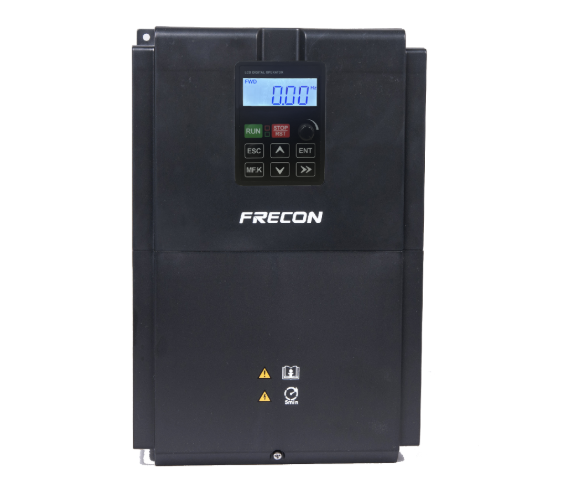
FRECON provides the PV150A Series Solar Water Pump Inverter for solar pumping applications. Its advanced MPPT algorithms offer a stated tracking efficiency of 99%, supporting photovoltaic energy utilization under changing sunlight conditions.
The PV150A supports both DC solar power and AC grid power inputs. Its hybrid power design also allows automatic switching between these sources, providing an alternative supply when solar conditions become insufficient.
The inverter includes automatic dormancy and wake-up functions based on sunshine intensity. These features help manage periods of insufficient solar energy. However, they should not be confused with dedicated overcurrent protection.
Proper Configuration Helps Reduce Electrical Risks
Correct motor parameter settings are essential during commissioning. Engineers should verify rated voltage, current, frequency, and power against the motor nameplate before starting operation.
Acceleration settings also affect current demand. Excessively short acceleration times may increase electrical stress. Appropriate ramp settings allow the motor to reach operating speed more gradually.
For a solar pump vfd, current limits and protective parameters should follow manufacturer documentation. Engineers must consider both inverter ratings and motor characteristics when configuring these settings.
Mechanical inspection remains equally important. Pump impellers, bearings, and piping conditions should be examined when repeated overcurrent faults occur. Adjusting inverter parameters cannot eliminate an unresolved mechanical obstruction.
Equipment Selection Requires Separate Technical Checks
Selecting suitable pumping equipment begins with hydraulic requirements. Engineers should determine flow rate, total dynamic head, motor specifications, and expected operating hours before comparing inverter models.
When reviewing solar inverter solutions, buyers should examine photovoltaic voltage compatibility, MPPT performance, motor control capabilities, and documented protection functions. These factors help establish whether equipment matches project conditions.
Manufacturers such as FRECON offer products combining photovoltaic tracking with hybrid power operation. Their published specifications provide useful reference points, although current protection capabilities require separate verification.
For a solar mppt inverter, high tracking efficiency indicates effective photovoltaic optimization rather than guaranteed protection against excessive motor current. Technical comparisons should distinguish these two performance areas.
Coordinating Solar Control and Motor Safety
MPPT technology helps solar pumping systems use available photovoltaic energy, but it cannot independently prevent overcurrent caused by mechanical overload or electrical faults. Reliable operation requires coordinated motor control, suitable protection settings, and regular equipment inspection.
Before installation, engineers should verify electrical ratings, hydraulic loads, and protection requirements. This approach supports more informed inverter selection and reduces avoidable operating problems in agricultural and remote water supply applications.