The appearance of a meeting table influences how a room is perceived and how well its furniture fits the surrounding environment. Government offices, corporate headquarters, educational institutions, and commercial facilities may have different expectations for their meeting spaces. Some require a formal setting for external visitors, while others need a practical layout for internal discussions. Choosing suitable furniture involves more than comparing prices and dimensions. Buyers should consider how table design, color, materials, and functional details support the room’s purpose.
Room Purpose Shapes the Design Choice
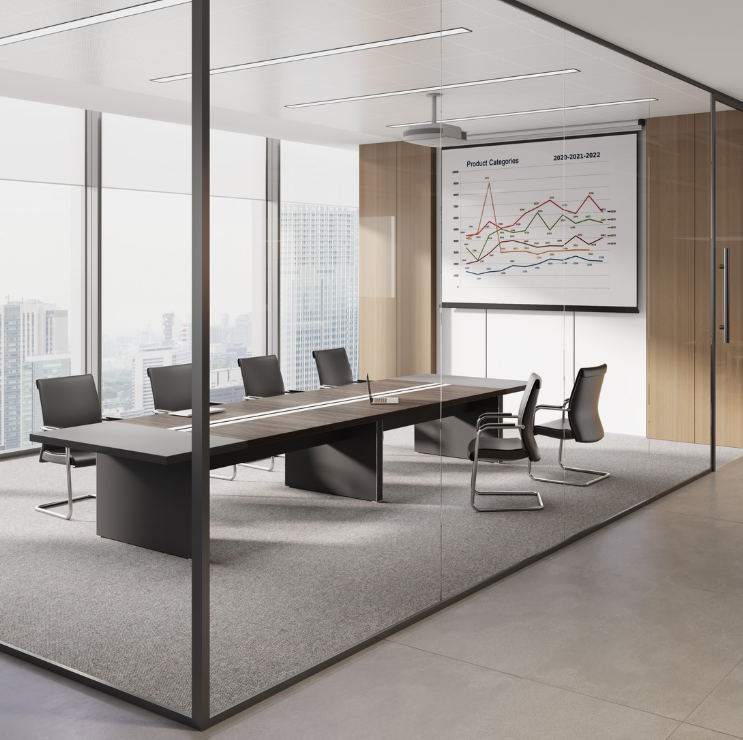
An executive meeting room often benefits from a coordinated interior, with furniture that complements the flooring, wall finishes, lighting, and seating. Rectangular tables with restrained colors may suit formal discussions and presentations. Collaborative spaces can accommodate lighter finishes or modular arrangements that make the room feel less rigid.
The difference between an office meeting table and a standard meeting room table is not simply a matter of appearance. Office furniture may need to match existing desks, storage units, and reception areas. Standard tables often prioritize familiar shapes and flexible seating arrangements, making them suitable for shared rooms used by different departments.
Buyers should begin by identifying the room’s primary function. A boardroom used for client negotiations may require a different visual style from a training room used throughout the day. This decision helps narrow the choices before procurement teams compare finishes, shapes, and construction details.
Visual Consistency Influences Professional Impressions
Furniture contributes to the overall impression a meeting space creates. Consistent colors and materials can help connect individual rooms within a larger office. However, visual consistency does not require identical furniture everywhere. Different departments can use related finishes while choosing table sizes and shapes that suit their working patterns.
Color selection should account for natural light, artificial lighting, and the existing interior palette. Light wood finishes may complement compact rooms with limited daylight, while darker surfaces can work with contrasting walls and upholstered seating. Buyers should examine physical samples under the lighting conditions of the intended space rather than relying entirely on digital product images.
Proportion also matters. A large table may appear appropriate in a spacious boardroom but overwhelm a smaller discussion area. Insufficient clearance around the table can make chairs difficult to move and disrupt circulation. Reviewing furniture dimensions on the room plan helps buyers balance visual impact with comfortable movement.
Materials Determine How the Style Lasts
The material and finish influence both the initial appearance and the maintenance required over time. Wood-based panels with decorative finishes can provide a consistent color and surface texture across multiple tables. Metal support structures may introduce a contrasting element that suits contemporary office interiors.
Surface selection should reflect the facility’s daily use. Shared meeting rooms may experience frequent cleaning, repeated equipment placement, and regular movement of chairs. Buyers should check the manufacturer’s care instructions, resistance characteristics, and edge treatment before approving a specification. These checks help determine whether the selected finish fits the maintenance routine.
Edge details can affect the perceived quality of the furniture. PVC edge banding, for example, creates a finished border around a tabletop. The color and profile should coordinate with the surface rather than appear disconnected from the overall design. Procurement teams can compare samples of the tabletop and edging together to assess their visual compatibility.
Functional Details Can Support a Cleaner Interior
Meeting room aesthetics also depend on how equipment and cables are arranged. Laptops, displays, chargers, and presentation devices can create clutter when power connections are poorly positioned. An integrated power access point can help organize these items while keeping essential connections within reach.
The location of a power outlet should match the seating arrangement and typical meeting activities. Connections placed too close to the edge may interfere with documents or personal devices. Outlets positioned beyond convenient reach can encourage cables to cross working areas. Buyers should review these details against the planned layout before confirming an order.
For projects that combine contemporary styling with practical requirements, Leadcom seating offers the NOVA meeting table #31 as a product reference. Its tabletop is made from E0-grade particle board with a melamine finish. The 50 mm tabletop features PVC edge banding and a flip-top power outlet design. These specified details provide a basis for evaluating the table’s finish and everyday functionality.
The model also features a heavy-duty cold-rolled steel under-desk beam measuring 38 × 38 × 1.2 mm. Its stated purpose is to provide enhanced stability and support. Buyers can review this construction alongside the table’s dimensions, finish options, and room layout when determining whether it suits a particular project. The supplied specifications should be checked against the final procurement requirements.
Compare Appearance With Practical Requirements
A design should be assessed in the context of the complete room rather than as an isolated product. Procurement teams can compare tabletop finishes with chair upholstery, inspect how the table fits around existing furniture, and confirm that its proportions suit the intended number of users.
Budget decisions also influence design flexibility. Standardized furniture may simplify replacement and future expansion across several departments. More distinctive finishes can help establish a specific interior identity, but they may require closer coordination when additional furniture is ordered later. Buyers should consider how easily the selected style can be maintained across the project’s expected service period.
A practical comparison should include appearance, material specifications, cleaning requirements, structural support, and power access. Reviewing these factors together helps buyers avoid choosing a table based only on photographs or showroom presentation. For larger projects, office meeting table specifications should also remain consistent across the furniture schedule wherever the same design is required.
Let the Room Guide the Final Decision
A successful choice balances visual character with the way people use the space. Formal meeting rooms may benefit from coordinated finishes and balanced proportions, while shared work areas may call for adaptable layouts and straightforward maintenance. Neither style is automatically suitable for every project.
Before placing an order, buyers should confirm the room layout, material finish, edge treatment, structural details, and power requirements. Leadcom seating can be considered alongside other suppliers during this evaluation, with the final selection based on verified specifications and project needs. When appearance and practical requirements are jointly assessed, the selected table is more likely to meet the room’s needs without compromising everyday use.