Clinical laboratories navigating vector-borne disease management frequently weigh the advantages of nucleic acid amplification against immunochromatographic strips. Selecting between molecular methods and rapid antigen screening depends heavily on turnaround expectations, laboratory infrastructure, and diagnostic throughput goals.
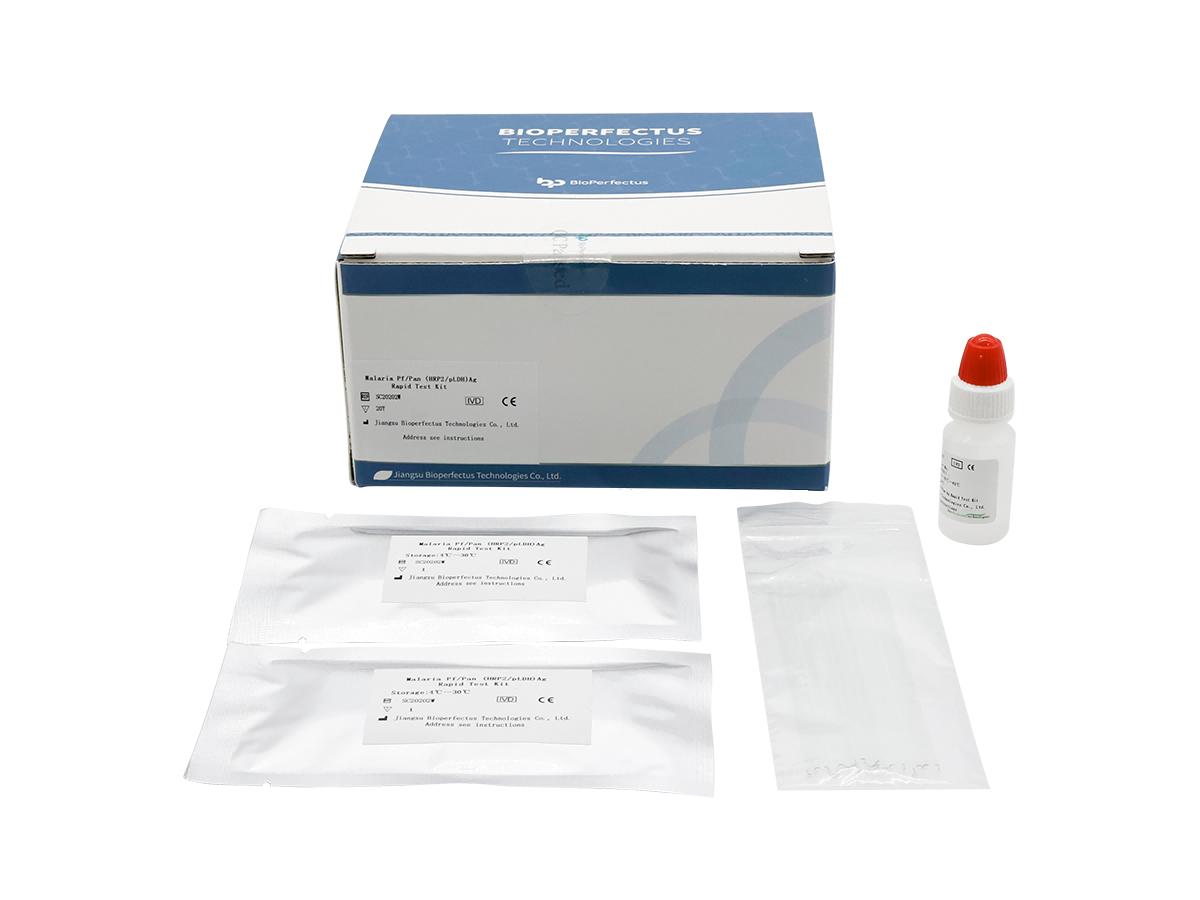
Practitioners must balance high analytical sensitivity with immediate point-of-care utility when structuring their daily testing protocols across diverse clinical environments, patient populations, and resource settings.
Analytical Sensitivity and Target Biomarker Dynamics
Polymerase chain reaction assays offer deep genomic verification by detecting minute quantities of protozoan DNA within complex clinical specimens. Such molecular depth allows reference centers operated by BioPerfectus partners to identify low-level parasitemia that might bypass less sensitive screening tools during routine diagnostic evaluations and comprehensive epidemiological investigations worldwide.
Conversely, protein-based methods target circulating antigens like histidine-rich protein 2 or lactate dehydrogenase to confirm active infection status swiftly. Evaluating these biomarker pathways ensures that medical staff select the appropriate test for malaria parasite resolution for their specific patient population without experiencing unnecessary diagnostic delays or clinical uncertainty during triage.
Operational Velocity and Point-of-Care Suitability
Emergency departments and remote clinics require immediate diagnostic clarity to guide acute treatment decisions without waiting for centralized laboratory processing workflows. Utilizing a reliable malaria test kit enables healthcare personnel to obtain actionable results directly at the patient bedside within minutes of initial specimen collection, preparation, and diagnostic assay execution.
Immunochromatographic devices eliminate the need for thermal cyclers or specialized technical personnel, making them ideal for challenging field deployment scenarios and community outreach clinics. Emergency physicians rely on this operational speed to initiate targeted therapy long before reference laboratory confirmatory results become available to the care team.
Field diagnostics also benefit from robust shelf-life stability and uncomplicated storage requirements that significantly simplify inventory management for remote medical teams. Ensuring consistent availability of any chosen malaria test kit prevents testing delays during seasonal infection spikes and unexpected outbreak scenarios across vulnerable rural regions and tropical zones.
Infrastructure Demands and Laboratory Integration
Implementing real-time PCR platforms requires dedicated laboratory space, strict contamination controls, and highly trained molecular technicians to manage complex thermal cycling workflows effectively. Centralized facilities absorb these infrastructure costs efficiently because they process high volumes of clinical specimens daily across extensive testing networks and hospital groups.
Smaller healthcare networks often find that antigen-detecting solutions by BioPerfectus provide the necessary diagnostic capability without demanding extensive facility overhauls or costly infrastructural upgrades. Balancing capital expenditure against routine testing volume remains a central challenge for hospital procurement officers worldwide during strategic equipment acquisition planning sessions.
Workflow integration success depends heavily on aligning instrument footprints with existing spatial constraints in busy pathology departments. Facilities must carefully evaluate whether a given platform requires dedicated bench space or integrates smoothly into current operational layouts without disrupting daily clinical routines and specimen turnaround times.
Species Differentiation and Epidemiological Surveillance
Public health initiatives depend on accurate species identification to track drug resistance patterns and monitor regional transmission dynamics effectively. Choosing an optimal test for malaria parasite workflow ensures that molecular testing excels at distinguishing between various Plasmodium species across diverse geographic regions and complex endemic zones.
Rapid immunoassay formats offer broader pan-species detection alongside specific Plasmodium falciparum markers, serving initial screening needs adequately in diverse clinical settings. Deploying a secondary malaria test kit alongside molecular protocols allows public health specialists to maintain comprehensive surveillance records across high-risk endemic zones and municipal health departments.
Data harmonization across different testing platforms allows regional health authorities to map disease prevalence accurately over extended surveillance periods. Comprehensive reporting mechanisms ensure that epidemiological trends are captured swiftly and addressed with targeted public health interventions and localized policy adjustments by regional health boards.
Strategic Cost-Benefit Balancing for Clinical Workflows
Resource allocation within modern clinical laboratories dictates that every diagnostic investment must deliver measurable clinical and financial value. Selecting the optimal test for malaria parasite protocols involves weighing reagent costs, equipment depreciation, and personnel training expenses against analytical diagnostic accuracy, throughput capacity, and overall workflow speed.
Diagnostic manufacturers such as BioPerfectus support these financial calculations by offering diverse product portfolios tailored to varied institutional budgets and clinical requirements. Strategic leadership teams must evaluate long-term testing demands to ensure sustainable diagnostic operations across complex healthcare systems, outpatient clinics, and regional laboratory networks.
Comprehensive economic evaluations help administrative directors justify equipment acquisitions, budget allocations, and maintain consistently high standards of patient care. Continuous technological refinement ensures that laboratories remain adaptable to evolving clinical requirements, emerging pathogen strains, and shifting regulatory standards globally.
Future diagnostic planning will undoubtedly benefit from harmonizing rapid screening methods with high-resolution molecular confirmation techniques across all healthcare tiers. Establishing clear institutional guidelines ensures that medical staff select appropriate methodologies based on individual patient presentations, symptom onset windows, and local epidemiological data.