Residential neighborhoods need public transport that connects homes with schools, shopping areas, and nearby transit stations. However, frequent bus movements can disturb residents, particularly near apartment buildings and narrow streets. Engine noise, acceleration, and repeated stops contribute to this problem.
Introducing a small electric bus can reduce vehicle noise during neighborhood journeys. Electric propulsion removes combustion engine noise, while compact vehicle designs can support local shuttle services. Understanding where these benefits occur helps transport operators make practical decisions about quieter residential routes.
Why Conventional Buses Create Neighborhood Noise
Diesel buses generate noise from engine combustion, exhaust systems, cooling equipment, and mechanical vibration. These sounds become noticeable when vehicles accelerate from bus stops or move through streets surrounded by residential buildings. Low-frequency engine noise can also travel into nearby homes, disturbing residents even when windows remain closed.
Frequent stopping makes the situation more difficult. Buses serving residential routes often accelerate, brake, and idle near intersections. Engine speed changes create noticeable variations in sound. Residents living beside regular stopping points may experience repeated disturbances throughout the operating day.
Street design also influences noise exposure. Narrow roads and closely spaced buildings can reflect vehicle sounds. Residential streets generally have less background traffic than commercial roads, making individual bus movements easier to hear. Transport authorities should consider these conditions when reviewing noise complaints and planning quieter services.
Electric Propulsion Changes the Sound Profile
Electric buses operate without conventional combustion engines. Their electric motors produce less propulsion noise during low-speed travel, particularly when accelerating from stationary positions. This difference matters in neighborhoods where buses frequently stop for passengers or approach pedestrian crossings.
Research conducted in Stuttgart, Germany, found that electric buses could reduce average traffic noise by approximately 5 dB(A) on quiet residential streets under the studied conditions. The improvement depended on vehicle speed, traffic composition, and bus frequency. Results from one route should not be treated as guaranteed performance for another location.
Electric propulsion also reduces certain low-frequency sounds associated with diesel engines. Research in Gothenburg, Sweden, recorded substantial reductions in indoor low-frequency noise after diesel buses were replaced with electric vehicles. This finding is relevant to apartment buildings facing busy neighborhood bus routes.
However, electric vehicles are not completely silent. Tire contact, road surfaces, ventilation equipment, and pedestrian warning systems still generate sound. At higher speeds, tire and wind noise become more significant. Neighborhood noise assessments should therefore consider total vehicle operation rather than propulsion technology alone.
Compact Vehicle Design Supports Local Operations
Vehicle dimensions influence how buses move through residential streets. Smaller vehicles may be suitable for routes with narrow intersections, limited turning space, and short distances between stops. Transport operators should compare turning requirements, passenger capacity, and route geometry before selecting a vehicle.
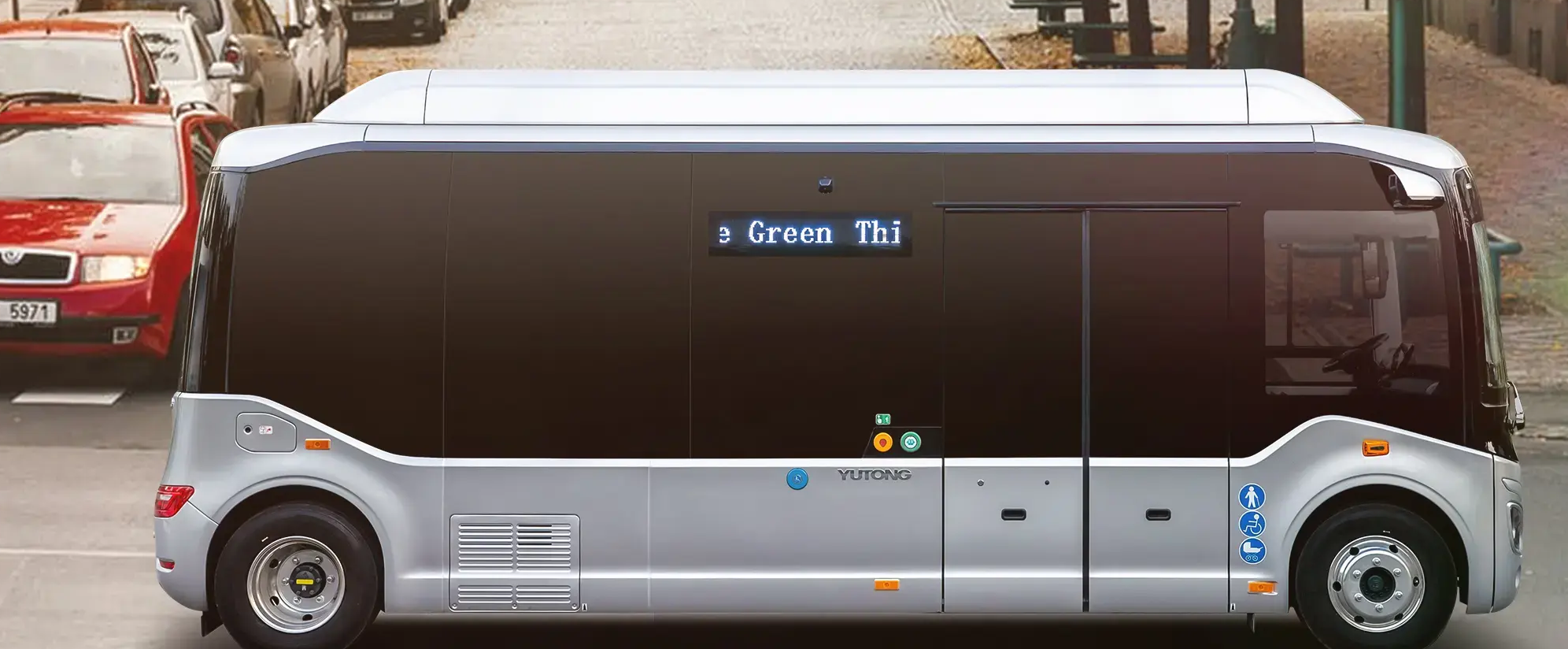
These considerations explain the role of compact models in manufacturers’ product ranges. Yutong Bus offers the E7S (ZK6706BEVG), designed for local microcirculation services. Its short front and rear overhangs help maximize interior space. The vehicle provides 3.8 square meters of low-floor area and accommodates up to 30 passengers.
These specifications illustrate how passenger accommodation can be combined with a compact vehicle layout. Nevertheless, interior capacity does not directly determine external noise performance. Operators should separately examine vehicle sound measurements, local road conditions, and passenger demand when considering similar vehicles for neighborhood routes.
Route Planning Determines the Noise Benefits
Quiet operation depends partly on where vehicles travel. Routes passing apartment entrances, schools, hospitals, and residential courtyards deserve particular attention. Transport planners should identify locations with repeated acceleration, long stopping periods, or frequent complaints before changing existing services.
Bus stop placement can influence neighborhood disturbances. Stops immediately beside bedroom windows may expose residents to repeated arrival and departure sounds. Where road safety and accessibility permit, relocating stopping points slightly away from sensitive buildings may reduce concentrated noise exposure.
Driving behavior also matters. Gradual acceleration and controlled braking help reduce sudden sound changes. Drivers should avoid unnecessary horn use and follow appropriate speed limits. Fleet operators can support these practices through training and periodic reviews of vehicle operation.
Low-speed pedestrian safety remains essential. Electric buses may require acoustic warning systems to alert nearby pedestrians and cyclists. These systems should comply with applicable local regulations. Noise reduction must not compromise the ability of vulnerable road users to detect approaching vehicles.
Measuring Improvements Before Fleet Expansion
Transport authorities should collect baseline noise measurements before replacing conventional buses. Measurements near residential buildings, intersections, and bus stops can identify existing disturbance patterns. Recording vehicle speed, traffic volume, weather, and measurement distance makes comparisons more meaningful.
Follow-up testing should use comparable operating conditions. Sound levels can be recorded during vehicle approaches, stationary periods, and departures. Daytime and evening measurements may reveal different impacts because neighborhood background noise changes throughout the day.
When evaluating a small electric bus, buyers should request relevant acoustic information alongside vehicle specifications. Yutong Bus provides electric models for different passenger transport applications, but noise performance should be assessed for the selected vehicle and intended operating conditions.
Resident feedback provides another useful reference. Surveys can identify whether passing vehicles disturb conversations, indoor activities, or sleep. Combining measured sound levels with reported experiences gives transport agencies a clearer picture of neighborhood improvements.
Quieter Transport Requires Practical Planning
Electric propulsion can reduce engine-related noise, especially during low-speed operation and repeated departures. However, successful neighborhood noise management also requires suitable routes, considerate driving, appropriate bus stops, and regular maintenance.
For transport agencies, the practical approach is to evaluate local noise conditions before selecting vehicles and verify improvements after deployment. Combining vehicle electrification with thoughtful service planning can create quieter residential transport without sacrificing accessibility or passenger convenience.